Lavender Hill gardeners guide to small front garden layouts
Posted on 12/11/2026

If you are trying to make a compact front garden feel welcoming, tidy, and genuinely useful, you are not alone. In Lavender Hill, space is often at a premium, and the front garden has to work hard: it needs to look good from the pavement, suit the house, cope with London weather, and stay manageable week after week. This Lavender Hill gardeners guide to small front garden layouts is here to help you plan a front space that feels balanced rather than crowded, calm rather than cluttered. Whether you want a neat strip of planting, a smarter path arrangement, or a front garden that blends privacy with kerb appeal, the right layout makes all the difference.
What tends to catch people out? Usually it is not the planting itself. It is the layout. The shape of the path, the size of the border, the position of the bin store, the amount of hard surface, the flow from gate to door - all of those little decisions add up fast. Get them right, and even a tiny plot can feel elegant. Get them wrong, and it can look busy before you have even planted a thing.
This article walks through the practical side of small front garden planning: how layouts work, what suits different homes, which materials and planting styles are worth considering, and where homeowners often overcomplicate things. A good design does not need to shout. In fact, the best ones often whisper.
Why Lavender Hill gardeners guide to small front garden layouts matters
A small front garden is not just a decorative border in front of the house. It shapes the way a home feels, right from the street. In Lavender Hill, where properties can sit close to the pavement and front spaces are often narrow, the layout has to do several jobs at once: guide people to the door, soften hard edges, manage drainage, and create a neat first impression without swallowing the limited ground available.
That is why layout matters more than expensive planting. A cramped or poorly planned design can make a tiny garden feel even smaller. Too many curved beds, oversized pots, or scattered features and suddenly the eye has nowhere to rest. On the other hand, a clear structure gives the whole front garden a sense of calm. The home looks more cared for, and maintenance becomes simpler too.
It is also about day-to-day practicality. Maybe you need room to open the gate properly. Maybe the postman should not have to step around a loose pot. Maybe the front path gets slippery in wet weather. These are the quiet, everyday realities that good small-garden layouts solve. Not glamorous, perhaps. Very useful? Absolutely.
For Lavender Hill homeowners, the front garden can also influence how the house sits in its streetscape. A neat layout, even if modest, often feels more in tune with the row of homes around it. That does not mean everything should look identical. Far from it. It just means the design should feel intentional.
If you are starting from scratch, it may help to look at related ideas first, such as choosing trees for a tiny garden, ground cover options for UK gardens, and the benefits of container gardening. Those topics fit neatly into small front garden planning because they help you use height, texture, and structure without overcrowding the footprint.
How Lavender Hill gardeners guide to small front garden layouts works
Think of a front garden layout as a simple set of decisions made in the right order. First you decide how people will move through the space. Then you decide how much of the area is for hard landscaping, how much is for planting, and what needs to stay accessible. Only after that do you choose the plants and decorative details.
That order matters. Many people start with the fun part - a lovely shrub, a favourite pot, maybe a stylish path finish - and then try to fit everything in later. In a small space, that usually backfires. The layout must lead, and the planting must follow the layout, not the other way round.
In practical terms, the process usually works like this:
- Measure the front garden accurately, including gate swings, door access, window sills, and any awkward corners.
- Mark the main route from street to door. Keep it comfortable, not squeezed.
- Decide whether you want a formal layout, a softer cottage-style edge, or a minimal modern design.
- Allocate space for functional items such as bins, bikes, utility access, or a letter box area.
- Choose planting zones based on sun, shade, wind exposure, and how much time you can realistically spend maintaining them.
- Select materials and planting that work together visually, rather than competing for attention.
In a small front garden, proportion is everything. A low boundary hedge can make a frontage feel more settled. A narrow gravel bed can create breathing room. Even one well-placed shrub in a container can anchor the design. The goal is not to cram in more; it is to make each element earn its place.
For some homes, a layout built around containers works brilliantly. For others, a slim border along the fence line and a clean path through the middle is enough. If you want to see how flexible container-based design can be, have a look at container gardening ideas. It is a very neat solution for homes where ground space is limited or paving already dominates the front plot.
Key Benefits and Practical Advantages
A well-planned small front garden does more than "look nice". It improves usability, keeps maintenance under control, and often makes a property feel more welcoming without needing a huge budget. In real life, that is what most people want: something attractive that does not become another chore.
- Better kerb appeal: A clear layout makes even a tiny frontage feel polished and deliberate.
- Easier maintenance: Fewer awkward corners and less visual clutter usually means less weeding, pruning, and sweeping.
- Improved access: A sensible route from gate to front door avoids the constant shuffle around plants or furniture.
- Stronger privacy: Thoughtfully placed planting can screen windows without turning the garden into a wall.
- More usable space: With the right plan, you can fit planting, storage, and access without the area feeling overpacked.
- Better weather performance: Small layouts that account for wind, shade, and water run-off are easier to keep healthy through the seasons.
There is another benefit people often forget: confidence. A good layout gives you a framework. Once the structure is right, plant choice becomes easier, maintenance becomes more predictable, and future changes feel less risky. That is a nice feeling, truth be told. You stop second-guessing every pot and shrub.
For a more low-effort approach, it can help to explore inexpensive low-maintenance garden ideas. Even if your front garden is tiny, smart material choices and restrained planting can save time and keep the space looking fresh for longer.
Who This Is For and When It Makes Sense
This kind of planning makes sense for quite a few people. You might be a homeowner who wants a better entrance without a full renovation. You might be moving into a house with a tired front garden and want to tidy it up quickly. Or you may simply be tired of wrestling with a layout that never quite feels right.
It is especially useful if:
- your front garden is narrow, shallow, or awkwardly shaped;
- you need to keep bins, bikes, or utility access in mind;
- the garden gets a lot of foot traffic;
- you want privacy without blocking light;
- you prefer plants that stay manageable in a small space;
- you want a front garden that looks good all year, not just for a few weeks in spring.
It also suits families with busy routines. A front garden layout that relies on neat edges, repeat planting, and easy-care materials is simply easier to keep on top of when life is hectic. Not every garden needs to be a project. Some need to be sensible, and that is perfectly fine.
If your home is windy or exposed, you may want to think about the layout in a slightly tougher way. Boundary planting, sheltered pockets, and robust materials all matter. The piece on developing a wind-resistant garden oasis is a useful companion here, because exposed front gardens can be surprisingly unforgiving.
And if you are worried about overgrown growth taking over the frontage, a more structured approach can help keep everything in check. For that, the advice in kicking off your garden renovation may be a good fit.
Step-by-Step Guidance
1. Start with the space as it is, not as you wish it were
Stand at the gate, then at the front door, and look at the garden from both angles. Where does the eye go first? Where does the space feel tight? Where does the light fall in the morning and evening? These observations matter more than you might think. A garden that looks fine on paper can feel awkward in real life if the route or proportions are off.
Measure everything. Width, depth, path space, fence lines, wall projections, and any level changes. If you are working with a very small plot, even a few centimetres can influence how comfortable the layout feels.
2. Decide the garden's main job
Ask yourself a simple question: what should this front garden do first? Is it mainly for presentation, privacy, practicality, or planting? Most front gardens need a mix, but one purpose should lead. If privacy is a priority, your layout will lean toward screening and layered planting. If access is the priority, the path and turning space come first.
This step saves a lot of muddle later. To be fair, it is the part many people skip because it feels too basic. But basic questions usually create the best answers.
3. Sketch a simple structure
For small front gardens, the most reliable layouts are usually simple:
- a central path with planting on both sides;
- a side path with one generous border;
- a split layout with a hardstanding area and a softer planted edge;
- an asymmetrical scheme that uses one focal feature and restrained planting elsewhere.
A sketch does not need to be polished. A rough pencil drawing is enough. The point is to see whether the layout breathes or whether everything is fighting for space.
4. Build in levels and layers
Small front gardens benefit from layered design. That means ground layer, mid-layer, and taller structure. Ground covers soften edges. Mid-height shrubs or grasses add fullness. Small trees or clipped evergreens create height without taking over.
For a sense of what works well at ground level, see top ground covers for UK gardens. These are especially handy where you want to reduce bare soil and keep weeds down.
5. Choose planting that respects the size of the garden
In a small front garden, fewer plant types usually look better than a jumble of many. Repetition creates calm. One evergreen shrub repeated three times often looks more elegant than ten different plants competing for attention. If you want seasonal change, add it through underplanting or containers rather than filling every inch of border space.
For trees, keep the scale modest. The article on choosing the right trees for a tiny garden is directly relevant if you want vertical interest without future regret.
6. Make the entrance feel intentional
The front door area is where the garden, house, and visitor experience meet. A narrow threshold can feel much better with a clean path, one well-sited pot, or a clipped shape that guides the eye. If there is room, a bench can help too, though in many small front gardens that is a nice-to-have rather than essential.
For inspiration on making the most of that transition zone, perfect seating ideas may spark a few practical thoughts, even if you only have room for a compact perch.
7. Finish with maintenance in mind
One of the biggest mistakes in small gardens is planning for day one only. Ask yourself how the design will look in six months. Will the plants stay within bounds? Can you reach the back of the border? Will leaves collect in awkward corners? If the answer is no, revise the layout now rather than later.
That is where the space-saving logic of vertical gardening for beginners can also come in handy, especially if you want height without losing floor area.
Expert Tips for Better Results
Small front gardens reward restraint. That is the first lesson. A few well-chosen materials and plants almost always beat a crowded mix of "nice things" that never quite settle together.
Use repetition deliberately. Repeating a paving material, pot style, or plant shape creates unity. It helps the eye read the garden as one coherent space. In a tiny frontage, unity is worth its weight in gold.
Keep one strong focal point. That might be a front door frame, a specimen shrub, a sculptural container, or a clipped evergreen by the gate. Just one. Too many focal points in a small layout turn into visual noise very quickly.
Think in edges. The boundary between path and planting should be crisp enough to feel intentional, but not so hard that the garden becomes rigid. A neat edge, some low planting, and a clear route usually work beautifully.
Don't underestimate containers. They are not a fallback option. In the right layout, containers can define an entrance, soften a wall, or give flexibility where the soil is poor. The trick is to choose a few good ones, not a crowd.
Allow a bit of bare space. This sounds odd, but it matters. A tiny garden can feel calmer when it is not packed full. Empty space gives structure. It gives the plants room to breathe. And frankly, it makes maintenance easier.
Plan for the view from the house as well as the street. You will see the front garden from inside every day. If the view from the kitchen window feels messy or blocked, the whole scheme will seem less successful, no matter how nice it looks from the pavement.
For front gardens that need privacy and structure at the same time, the article on fast-growing privacy hedges is useful, though in a small space the hedge height and width still need careful control. You do not want a lovely screening idea to become a weekly trimming headache.
If the garden faces a shadier corner or a side return, take a look at shade-loving evergreen planting ideas. Those can solve the awkward dark patch that small front gardens often have near walls or porches.
Common Mistakes to Avoid
Most poor small-garden layouts fail for the same few reasons. The good news is that nearly all of them are avoidable.
- Overcomplicating the plan: Too many curves, materials, and plant types make a small space feel messy.
- Ignoring movement: If people have to squeeze past plants or step awkwardly around a bin, the design is not working.
- Choosing plants by impulse: A plant that looks lovely in a nursery can be a poor fit for your light, soil, or maintenance routine.
- Forgetting year-round structure: A front garden needs to look decent in winter as well as June.
- Using too much hard landscaping: Front gardens can become harsh if paving or gravel completely takes over.
- Not checking mature size: A shrub that seems harmless in year one can become an obstacle by year three.
- Skipping weed control: Small gardens show neglect fast, especially at the edges and around paving joints.
We often see people add "just one more thing" until the layout loses its shape. A lantern here, a plant there, another pot by the gate, a second path line because the first one felt too plain. Then the whole thing starts to wobble. Simple is usually stronger.
If weeds are already part of the problem, you may find weed-free garden tips helpful before you redesign. It is much easier to work with a clean base than to patch over persistent growth.
And if the garden has become so messy that you are not sure where to begin, the guide on safe outdoor spaces may seem aimed at family gardens, but the principle is the same: start with clear zones and safe movement, then build the look around that.
Tools, Resources and Recommendations
You do not need a van full of specialist gear to plan a small front garden properly. A few basic tools, a rough sketch, and some patience will get you a long way.
| Need | Useful approach | Why it helps |
|---|---|---|
| Measuring | Tape measure, notebook, and a simple hand sketch | Keeps the layout realistic and proportionate |
| Planning | Paper plan or scaled drawing | Helps you test path width, border depth, and feature placement |
| Structure | Edging, containers, gravel, paving, or low hedging | Defines the garden and reduces visual clutter |
| Planting | Compact shrubs, ground cover, small trees, and seasonal accents | Creates interest without crowding the space |
| Maintenance | Hand weeding tools, pruners, broom, and mulch | Supports tidy edges and healthier planting |
Resources worth thinking about, in plain English:
- Plant labels and mature sizes: these are vital, not optional. Always look beyond the pot size.
- Seasonal maintenance notes: a front garden can need different care in winter than in spring.
- Local site conditions: exposed wind, reflected heat from walls, and shaded corners all shape what will thrive.
- Professional garden planning advice: useful if the space has drainage issues, awkward access, or you want a more polished finish.
If your front garden is part of a wider tidy-up, the pages on low-maintenance garden ideas and turning waste into compost can help you think through both design and soil improvement at the same time. A better layout and better soil go together more often than people realise.
Law, Compliance, Standards, or Best Practice
For a front garden, the most relevant "rules" are usually practical rather than legal. If your design affects pavements, drainage, visibility at the road, boundary walls, shared access, or trees close to structures, it is worth slowing down and checking the implications before you start digging or building.
In London, best practice usually means keeping access safe, maintaining visibility where needed, and avoiding features that create hazards for pedestrians or neighbouring properties. If you are altering boundaries, adding fencing, removing trees, or making changes close to walls and shared edges, it is wise to proceed carefully and use competent tradespeople where the work is structural or potentially risky.
Garden safety matters too. Tools should be used properly, soil conditions should be checked before any heavy digging, and utilities should be treated with caution. If you are planning anything more involved than planting and simple edging, make sure the work is insured and carried out with the right care. That is basic, but it matters.
Good practice also includes respecting the practical needs of the street. A front garden should not create trip hazards, block pathways, or make gate access awkward. If your layout includes hard landscaping or fencing, it should be robust and suitable for daily use. For reassurance on safety-minded work, pages such as insurance and safety and health and safety policy give a sense of the standards a careful service provider should take seriously.
And if the project is bigger than a tidy-up, it can help to understand how maintenance and longer-term care might fit around the new layout. That is where garden maintenance support and related services may be useful, especially if you want the design to stay looking sharp rather than collapsing into weekend chores.
Options, Methods, or Comparison Table
There is no single correct way to lay out a small front garden. The best option depends on what the space already gives you, how much upkeep you want, and whether privacy or openness matters more.
| Layout style | Best for | Strengths | Watch-outs |
|---|---|---|---|
| Central path with side planting | Traditional homes and balanced frontages | Clear access, symmetrical feel, easy to maintain | Can feel plain if planting is too sparse |
| Asymmetrical layout | Awkward or narrow plots | Flexible, modern, good for focal points | Needs strong proportion control |
| Container-led design | Paved or shallow front gardens | Highly flexible, easy to refresh, great for renters or lower-maintenance needs | Requires watering and occasional rearrangement |
| Low hedge and layered planting | Front gardens needing privacy | Softens the boundary and adds year-round structure | Hedges need trimming and width control |
| Minimal hardscape with pockets of planting | Very small or urban frontages | Clean, uncluttered, airy | Too much empty paving can look stark if not balanced |
If you need a hard-wearing route and want the outside area to feel more complete, pages about patio cleaning and decking services may be relevant in the wider maintenance picture. Not every front garden needs decking or paving, of course, but where these features already exist, they strongly influence the layout.
For boundaries and privacy, there is also the option of structured screening. That can be hedging, fencing, or a mix of the two. If you are weighing those choices, fencing solutions and hedge trimming shapes and techniques are good companion topics. A clean line at the edge can make a small garden feel much more intentional.
Case Study or Real-World Example
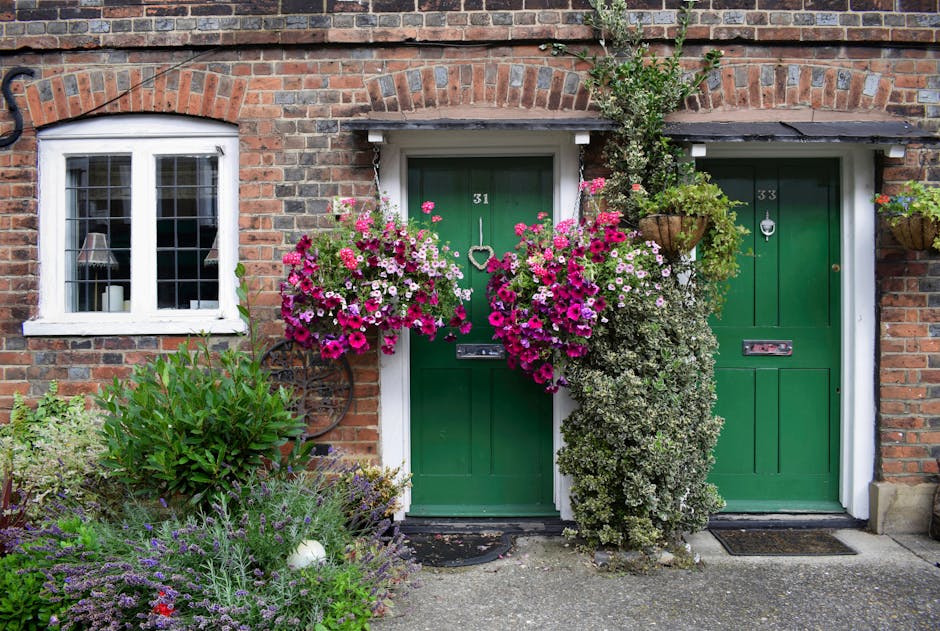
Here is a realistic example from the kind of front garden layout we often see in Lavender Hill: a narrow front plot with a short path to the door, a slightly tired lawn strip, and a couple of pots that had gradually drifted into awkward positions. Nothing dramatic. Just one of those spaces that had never quite settled.
The first change was to simplify movement. The path was clarified so the route to the door felt obvious, not improvised. Then the planting was reduced to a few well-spaced, low-maintenance choices rather than a mixture of small shrubs that all wanted different care. One side of the frontage became a neat border with evergreen structure; the other side took on a pair of containers to soften the entrance and add height.
The difference was immediate. The front looked calmer from the street, and, more importantly, it felt easier to live with. There was less cutting back, less sweeping around awkward edges, and less visual fuss. The garden had not become larger, obviously. But it felt larger, which is often the real win.
That sort of result usually comes from compromise done well. Not every square inch must be used. Not every plant must be in bloom at the same time. The layout simply has to suit the house, the light, and the way people actually move through the space. Simple, but not simplistic.
For homes where a small garden also needs a child-friendly or pet-friendly dimension, consider reading a garden sanctuary tailored for dogs or creating a safe garden haven for youngsters. They are more about lifestyle than layout alone, but that is exactly the point: the best front gardens support real life, not just a pretty photograph.
Practical Checklist
Use this quick checklist before you start planting or paving:
- Measure the full front garden, including gate swing and door clearance.
- Decide what the garden must do first: welcome, screen, guide, or simplify.
- Keep the path comfortable and obvious.
- Choose one main style rather than mixing several ideas at once.
- Limit the number of materials and repeat the best ones.
- Use planting that suits the light, exposure, and available time.
- Check mature plant size, not just the nursery size.
- Leave access for bins, deliveries, and maintenance.
- Build in a way to control weeds and keep edges tidy.
- Include at least one year-round structure element, such as evergreen planting, a container, or a clipped feature.
- Think about winter as well as summer.
- Make sure any hard landscaping or boundary feature is safe and practical.
If you can tick most of those boxes, you are already ahead of the curve. Honestly, that is where many successful small front gardens begin: not with a grand idea, but with a clear yes to the basics.
Conclusion
A small front garden does not need to be dramatic to be effective. In fact, the best layouts are often the quietest ones: a clear route, a restrained planting scheme, a boundary that feels tidy, and a design that does not fight the house it belongs to. For Lavender Hill properties, that balance is especially valuable because space is precious and first impressions matter.
Once you stop treating the front garden as a leftover strip and start treating it as part of the home's architecture, the decisions become easier. You begin to see where structure belongs, where softness helps, and where a little empty space is actually a strength. That shift in thinking can transform a tired frontage into something calm, useful, and quietly attractive.
Get a free quote today and see how much you can save.
And if you are still sketching ideas on the back of an envelope, that is fine too. Good gardens often start that way, with a rough drawing and a sense that the space could be better. Usually, it can be.

Leveraging his expertise in gardening, Will provides invaluable assistance to a vast clientele in realizing their gardening visions. Moreover, his adeptness in writing allows him to delve into an extensive array of gardening and landscaping subjects.