Gardeners serving SW11 care for terrace gardens Clapham Junction
Posted on 19/10/2026
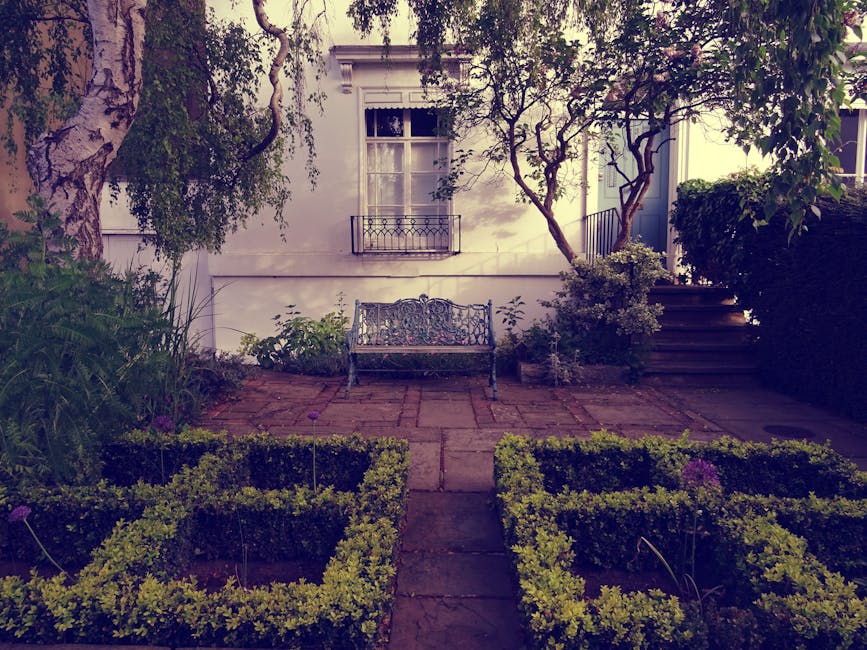
Terrace gardens in Clapham Junction can be wonderfully rewarding, but they also ask a lot from a gardener. Space is tight, neighbours are close, shade shifts through the day, and a windy afternoon can undo a week of effort in ten minutes. That is exactly why Gardeners serving SW11 care for terrace gardens Clapham Junction matters so much: it is not just about keeping plants alive, it is about shaping a compact outdoor space that feels calm, private, and genuinely usable. If your terrace currently feels a bit cramped, patchy, or difficult to maintain, you are in the right place.
This guide breaks down what terrace garden care involves, how it works in practice, and how to choose the right maintenance approach for an SW11 property. You will also find practical steps, common mistakes, a comparison table, and a realistic example of how a small urban terrace can be transformed without turning your life upside down. Simple really. Not easy, but simple.
Why Gardeners serving SW11 care for terrace gardens Clapham Junction Matters
Terrace gardens are a different beast from larger suburban plots. In SW11, especially around Clapham Junction, many gardens sit between tall buildings, along brick terraces, or beside hard landscaping like paving, fencing, and decking. That means light levels can change quickly, rainfall can behave oddly, and airflow may be stronger than you expect. One minute you have a sunny patch, the next it is shade from a neighbouring wall. That kind of environment rewards attentive, location-aware care.
Good terrace garden maintenance is about more than appearance. It helps prevent root crowding in containers, reduces slippery surfaces caused by algae or leaf build-up, and keeps plants from becoming leggy, stressed, or wind-battered. It also makes a small space feel intentional. A terrace with well-chosen planting, clean edges, and regular pruning looks larger, not smaller. That is often the difference between an outdoor area you avoid and one you use every day.
There is also the practical side. Many terrace gardens in Clapham Junction serve multiple roles at once: a coffee spot in the morning, a place for children to play after school, somewhere to keep herbs for cooking, or a quiet corner to unwind. Because the space has to do so much, the maintenance approach needs to be efficient and disciplined. A quick tidy-up is not always enough. You need a routine that respects the layout, the plants, and how you actually live.
If your terrace feels like it is always one storm away from chaos, you are not imagining it. Urban gardens can be surprisingly demanding. The good news is that a skilled gardener can tame that pressure and turn it into a manageable, attractive routine.
How Gardeners serving SW11 care for terrace gardens Clapham Junction Works
At a practical level, terrace garden care usually begins with a space audit. A gardener will look at sun movement, wind exposure, drainage, container health, soil condition, access points, and how much time you can realistically give the garden between visits. That sounds obvious, but it is often skipped. And once you skip that first step, you tend to get mismatched planting and never-ending maintenance.
In many cases, the work is structured around a few core actions:
- Cleaning and reset - clearing leaves, dead growth, moss, weeds, and general clutter.
- Plant health checks - spotting stress, disease, nutrient issues, or root-bound containers.
- Pruning and shaping - keeping shrubs, climbers, and hedges compact and tidy.
- Soil and compost care - refreshing tired beds and containers with suitable compost or mulch.
- Watering strategy - making sure thirsty plants are not under- or over-watered.
- Seasonal adjustments - changing planting support, protection, and feeding through the year.
For terrace gardens, container management matters especially. Pot-based planting dries out faster than border planting, warms up quicker in the sun, and can suffer more in frost. That is why many terrace schemes rely on robust container planting, smart drainage, and grouped pots that create a stable microclimate. If you want to explore the practical side of that, the article on container gardening is a useful companion read.
There is also an aesthetic layer. Terrace gardens often benefit from structure: trellis, evergreen planting, topiary, raised planters, and carefully chosen focal points. A flat, open terrace can feel exposed. Add the right structure and it suddenly feels settled. Sometimes all it takes is one well-placed screen and a couple of honest, healthy plants. No magic. Just good gardening.
When a gardener works well on a terrace in SW11, they are balancing design, maintenance, and durability at the same time. That is the real job.
Key Benefits and Practical Advantages
The strongest benefit is probably control. Terrace gardens can become untidy very quickly if they are left to their own devices, especially in London weather. Regular care keeps the space from slipping into that half-loved state where everything looks just a bit tired. You know the look: a pot on its side, one leggy climber, a patch of weeds where a herb border used to be. Easy to ignore for a week, hard to ignore after a month.
Here are the main advantages of professional terrace garden care in SW11:
- Better use of limited space - every square metre has a job, whether that is privacy, colour, seating, or storage.
- Healthier plants - regular pruning, feeding, and repositioning reduce stress.
- Less mess and maintenance drift - small gardens need consistent attention to avoid big clean-ups later.
- Improved privacy - clever planting and screening soften sightlines without making the garden feel boxed in.
- Safer surfaces - patios, decking, and paths are easier to keep clean and less slippery.
- Better seasonal resilience - terrace gardens are often more exposed, so preparation matters.
Privacy is a huge part of terrace garden design in Clapham Junction. Many homeowners want greenery that filters views without creating a heavy wall of leaves. Fast-growing hedges, evergreen options, and mixed screens can work beautifully if maintained correctly. For more ideas, see fast-growing hedge ideas for privacy.
Another important benefit is flexibility. A terrace garden can shift with your life. One year it might be about outdoor dining. Another year it might need to be child-friendly or lower maintenance. Good gardening keeps that flexibility alive instead of locking you into a rigid layout that no longer suits your routine.
Expert summary: On a terrace, the best garden is rarely the one with the most plants. It is the one with the right plants, the right containers, and a maintenance rhythm that matches real life.
Who This Is For and When It Makes Sense
This kind of care is ideal for people who want their terrace to look good without having to treat gardening like a second job. That includes busy professionals, families, landlords, older homeowners, and anyone who has inherited a garden that is a bit overgrown or awkwardly arranged.
It also makes sense if your terrace has one or more of these issues:
- plants that keep failing in the same spot
- containers drying out too fast
- patches of shade and sun that make plant choice confusing
- wind damage on taller plants or climbers
- privacy problems from nearby windows or adjacent buildings
- slippery patio surfaces or weed growth between paving
- no clear seasonal upkeep routine
Sometimes people assume terrace garden care is only for showpiece spaces. Not at all. It is just as useful for modest gardens that need basic recovery and tidy ongoing maintenance. If the garden is underused because it feels fiddly, the right intervention can make it feel welcoming again.
And if your outdoor space is more of a narrow run than a traditional garden, vertical planting may be a better solution than trying to force beds everywhere. For that, the guide on vertical gardening for beginners fits neatly with terrace garden thinking.
Truth be told, terrace gardens are often the spaces people care most about and know least how to manage. That is not a failing. It is just how urban gardens are. They ask for a different kind of expertise.
Step-by-Step Guidance
If you want a terrace garden that stays attractive all year, the work is best done in order. Random tinkering tends to create more problems than it solves.
- Assess the space properly. Look at sun, wind, shade, access, drainage, and how you use the garden now. Notice where puddles form after rain and which pots seem to struggle.
- Remove clutter and weak growth. Strip out dead leaves, annuals past their best, and anything diseased or damaged. This creates a clean base to build on.
- Sort the hard landscaping. Check whether paving, decking, and fencing need cleaning or repair. In many terrace gardens, surfaces shape the whole experience more than the planting does.
- Refresh containers and soil. Replace tired compost, loosen root-bound plants, and group containers by water need. Dry-loving plants should not be shoved in with thirsty ones, obvious but often overlooked.
- Choose plants for the conditions. Pick compact, resilient, and appropriate species rather than simply choosing what looks lovely in a nursery on a good day. Some things are not terrace plants, however nice they look.
- Add structure. Use screens, trellis, clipped hedges, or evergreen anchors to make the space feel intentional and private.
- Set a maintenance rhythm. Decide what needs weekly attention and what can be done monthly or seasonally. Consistency matters more than dramatic intervention.
If you are planning a full reset rather than light maintenance, the article on starting a garden renovation from overgrown to outstanding is a practical place to look next.
One small but useful rule: start from the edges and work inward. Clean the boundary lines, then the floors, then the planting, then the finishing details. It creates momentum and stops the space from feeling half-done. Also, it makes the before-and-after difference more satisfying, which is never a bad thing.
Expert Tips for Better Results
There are plenty of ways to improve terrace gardens, but a few techniques consistently make the biggest difference.
1. Prioritise wind tolerance
Terraces can be surprisingly blustery, especially when they sit above street level or between buildings. Choose plants that can handle movement and avoid placing fragile specimens in exposed corners. If you want to understand why, the article on developing a wind-resistant garden oasis offers a strong overview.
2. Use repetition to calm the eye
In a small garden, too many plant types can make the space feel restless. Repeating containers, foliage colours, or shapes helps the eye settle. A terrace with three repeating elements often feels more expensive and more deliberate than one packed with five different styles fighting for attention.
3. Think in layers
Low groundcover, mid-height planting, and one or two taller features create depth without crowding. That layered feel is often what makes a terrace seem bigger. The piece on garden ground covers that add beauty is handy if you are choosing a lower layer.
4. Keep feeding and watering practical
Terrace gardens should not depend on perfect memory. Group thirstier pots together, mulch where possible, and use compost that suits the plant type. If your routine is too complicated, it will break down by mid-June. Happens every year.
5. Use evergreen anchors
Evergreens are useful because they give a terrace shape in winter and reduce the feeling of emptiness during colder months. They are especially helpful in shaded or awkward corners. For inspiration, see shade-loving evergreen ideas for corners.

Common Mistakes to Avoid
Terrace gardens are small enough that mistakes show quickly. The upside is that correction is usually straightforward once you know what to look for.
- Over-planting. It is tempting to squeeze in one more pot. Then another. Then suddenly there is no room to sit.
- Choosing thirsty plants for exposed spots. Wind and sun can dry containers fast, especially in warmer spells.
- Ignoring drainage. Waterlogged pots or blocked outlets can damage roots and surfaces.
- Forgetting the winter picture. A terrace that looks good only in July is not a successful garden.
- Letting climbers run free. Unchecked growth can swamp railings, fences, and light levels.
- Using hard surfaces without cleaning them. Moss, algae, and dirt can quickly make the space feel older and less safe.
There is also a subtle design mistake people make: trying to solve privacy, colour, and maintenance all with one plant. Sometimes that works. Often it does not. A better approach is to use a combination of structure, climbers, and selective planting. That is where good terrace garden care really earns its keep.
For a broader approach to tidy, affordable upkeep, the article on low-maintenance garden ideas offers a useful mindset shift.
Tools, Resources and Recommendations
You do not need a huge toolkit for terrace garden care, but you do need the right basics. Fancy gadgets are optional. Reliable tools are not.
- hand secateurs for trimming stems and deadheading
- long-handled pruning shears for compact shrubs
- watering can or hose setup suited to the site
- trowel and hand fork for container refreshes
- brush and outdoor cleaner for hard surfaces
- compost, mulch, and grit where drainage needs improvement
- gloves that actually fit, which sounds trivial until they do not
For readers who like to build their own garden knowledge between visits, a few articles can help deepen the picture. The piece on turning kitchen and garden waste into valuable compost is useful if you want healthier soil. If you are only just getting comfortable with gardening habits, first-time gardener tips offers a calm starting point. And if weather exposure is your main headache, weather resilience for your garden sanctuary is especially relevant.
When choosing support, it also helps to look beyond the plants. If the project includes resurfacing, edging, or structural work, related services such as patio cleaning, decking services, or landscaping may be relevant depending on the state of the terrace. A good result often comes from treating the whole space, not just the planting.
Law, Compliance, Standards, or Best Practice
Terrace garden care is not usually a heavily regulated service in the way some trades are, but there are still sensible standards to follow. For one thing, any work should be carried out with attention to safety, access, and respect for neighbouring properties. In shared or tightly packed London settings, that matters quite a lot.
Good practice usually includes clear communication about access, safe handling of tools, tidy disposal of green waste, and care around surfaces that could be slippery. If equipment, ladders, or cutting tools are used, they should be managed by competent people. That is especially important if the work touches pruning, fence lines, or trees. When tree work is involved, it may be wise to consider specialist support such as tree surgery rather than treating it as routine gardening.
It is also sensible to ask about insurance and safety arrangements before any work starts. Not every garden task is high risk, but terrace spaces often involve height differences, hard surfaces, and limited access, so precautions matter. A contractor who explains their approach clearly is usually a better bet than one who waves the whole thing away with a shrug.
For transparency and peace of mind, useful reference pages include insurance and safety information, health and safety policy, terms and conditions, and privacy policy. If you are checking business credentials more broadly, the company's about us page is also worth a look. No need to overcomplicate it, just make sure the basics are clear.
Options, Methods, or Comparison Table
Not every terrace needs the same maintenance style. Some spaces do better with frequent light care. Others need an occasional deeper reset. The right choice depends on plant density, layout, and how much use the garden gets.
| Approach | Best for | Strengths | Limitations |
|---|---|---|---|
| Light regular maintenance | Established terrace gardens with mostly healthy planting | Keeps the space tidy, manageable, and predictable | Does not fix deeper structural or planting issues |
| Seasonal deep maintenance | Gardens that drift out of shape between busy periods | Resets planting, containers, and surfaces properly | Less effective if the space then goes unmanaged |
| Design-led refurbishment | Terraces needing privacy, layout changes, or stronger structure | Improves both appearance and usability | Needs more planning and usually more input |
| Mixed maintenance plus hard-landscape care | Terraces with patios, decking, or paving that affect the whole feel | Balances cleaning, repair, and planting health | Can require coordination across different tasks |
For many Clapham Junction homes, a mixed approach is the most practical. It means the gardener can keep on top of plant health while also making the hard surfaces and structure feel clean and finished. If the terrace includes lawn edging or a small patch of turf, lawn care or lawn mowing may also matter, though many terrace spaces rely more on pots, paving, and planting structure.
Case Study or Real-World Example
Take a typical SW11 terrace: narrow, walled on both sides, a slightly shaded seating area, a cluster of tired pots near the door, and a few climbers that have grown a bit too enthusiastically. The owner wants privacy from nearby windows, a nicer place to sit with a coffee, and less weekend maintenance. Nothing dramatic, just a garden that feels like part of the home again.
The first step is clearing the clutter and removing plants that are no longer pulling their weight. Then the hard surfaces are cleaned so the garden instantly looks less neglected. After that, the planting is rebuilt in layers: a couple of evergreen anchors, a few compact flowering plants, a herb container near the door, and a vertical element to draw the eye upward. The seating stays, but it is framed better, so the garden feels longer and more composed.
A few weeks later, the space is easier to water, easier to walk through, and easier to enjoy. The owner is not spending every Saturday deadheading and sweeping. Instead, they are maintaining a garden that was designed to work with their routine. That is the real win.
If you like the idea of a garden that feels calmer and more deliberate, the guide on garden seating and ambience is a nice complement. For households with pets, the article on a garden sanctuary tailored for dogs can help with practical planning too.
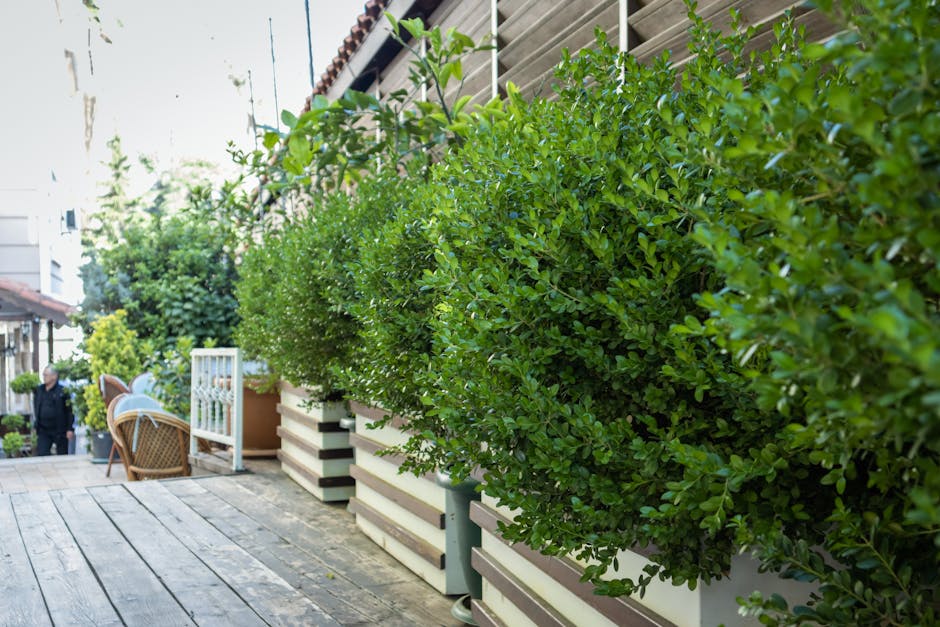
Practical Checklist
Use this as a quick sanity check before, during, or after terrace garden work:
- Does the garden have a clear purpose, or is it trying to do everything?
- Are the most exposed plants actually suitable for wind and sun?
- Are containers draining properly and sitting securely?
- Is there a privacy plan that does not block all light?
- Are the hardest-to-maintain areas grouped so they can be tackled efficiently?
- Do the surfaces need cleaning before planting is adjusted?
- Is there a seasonal routine for pruning, feeding, and watering?
- Have you checked for moss, algae, weeds, or slipping hazards?
- Is there enough open space left for movement and seating?
- Would a little structure, like trellis or evergreen planting, improve the whole space?
And one more, just because it matters: does the garden still feel like somewhere you want to spend time?
Conclusion
Terrace gardens in Clapham Junction can be small, exposed, and a bit tricky, but they are also full of potential. With the right care, they become more than a tidy outdoor corner. They become a private, practical extension of the home. That is what skilled local gardening is really about: making limited space feel generous.
Gardeners serving SW11 care for terrace gardens Clapham Junction because these gardens need a tailored approach. Not a one-size-fits-all tidy-up. Not a seasonal panic. Just careful, intelligent work that respects the space and the way you use it. If you get the planting, structure, and maintenance rhythm right, even a narrow terrace can feel surprisingly restful.
Get a free quote today and see how much you can save.
And if you are standing in your garden wondering where to begin, start small. Clean one corner. Choose one better plant. Make one space easier to enjoy. The rest has a way of following.

Leveraging his expertise in gardening, Will provides invaluable assistance to a vast clientele in realizing their gardening visions. Moreover, his adeptness in writing allows him to delve into an extensive array of gardening and landscaping subjects.