Battersea Park garden maintenance tips from local gardeners
Posted on 11/10/2026
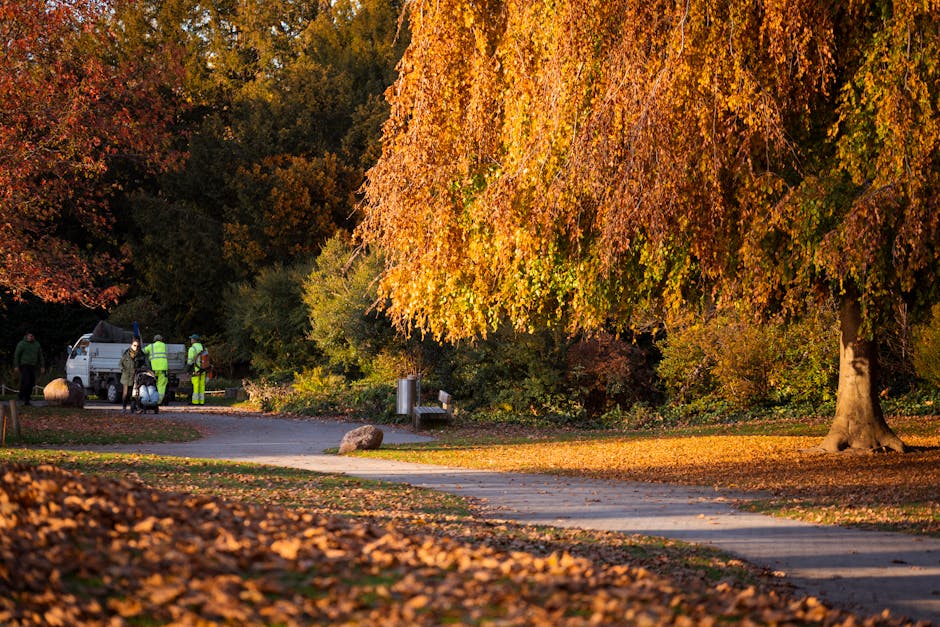
If you live near Battersea Park, you already know the garden there has to work harder than most. One wet week, a burst of wind off the river, a patch of shade under a tree, and suddenly borders look tired, lawns thin out, and hedges need attention. These Battersea Park garden maintenance tips from local gardeners are written for exactly that kind of reality: practical, local, and focused on keeping a garden looking good without turning maintenance into a full-time job.
In our experience, the best gardens around Battersea are not the ones that are constantly fussed over. They are the ones with a sensible routine, the right planting choices, and a bit of discipline around pruning, feeding, and clearing. That sounds simple enough, but let's face it, most gardens drift because people only deal with problems after they become obvious. This guide helps you stay ahead of that curve.
Whether you manage a small courtyard, a family garden, or a larger property close to the park, you will find workable advice here on lawns, hedges, borders, containers, weather resilience, and when it makes sense to bring in local help. No fluff. Just the stuff that actually keeps a Battersea garden tidy, healthy, and enjoyable.
- Why local maintenance advice matters in Battersea
- How garden maintenance works in practice
- Key benefits and practical advantages
- Who needs this and when it makes sense
- Step-by-step guidance
- Expert tips for better results
- Common mistakes to avoid
- Tools, resources and recommendations
- Law, compliance and best practice
- Options, methods and comparison table
- Case study or real-world example
- Practical checklist
- Conclusion
- Frequently asked questions
Why Battersea Park garden maintenance tips from local gardeners Matters
Gardens near Battersea Park face a mix of urban conditions that can be surprisingly hard on plants. You get pockets of shade from buildings and mature trees, gusts of wind that dry things out faster than you expect, compacted soil in busy properties, and the usual London issues of pollution, debris, and foot traffic. A maintenance routine that works in a sheltered suburban garden may simply not hold up here.
Local gardeners tend to notice patterns that outsiders miss. For example, a lawn that looks fine in April can go patchy by midsummer if it is cut too short and starved of water. A hedge that was trimmed "just enough" in spring can turn into a privacy problem by August. A border full of pretty plants can become a messy, weed-prone strip if the soil has poor structure and no mulch. These are small issues, until they are not.
That is why Battersea Park garden maintenance tips from local gardeners are useful: they are shaped by local conditions rather than generic advice. They account for how wind funnels between houses, how spring growth can explode after a mild spell, and how quickly neglected patios or decking start to look dull in a damp climate. If you have ever glanced at your garden after a weekend away and thought, "How did it get like this so fast?", you are not alone.
There is also a practical side. A well-maintained garden can be safer, easier to use, and less expensive to manage over time. Overgrown hedges, broken edging, slippery paths, and compacted lawns all create more work later. The right care, done steadily, prevents that spiral.
For a wider view of what local gardening support can cover, it is worth exploring garden maintenance in Battersea and the broader gardening services available locally.
How Battersea Park garden maintenance tips from local gardeners Works
Good garden maintenance is not one big task. It is a cycle. Inspect, cut back, clean, feed, water, and adjust. In a Battersea setting, the key is to match that cycle to the season and to the actual layout of the garden. A small courtyard with planters does not need the same approach as a long family garden with a lawn, hedge line, and patio.
Local gardeners usually start by looking at four things:
- Structure - hedges, trees, lawn areas, borders, paths, fencing, decking, and seating.
- Condition - what is healthy, what is overgrown, what is damaged, and what is likely to become a problem.
- Exposure - shade, wind, drainage, and sun patterns across the day.
- Maintenance load - how much time the owner can realistically keep up with.
From there, the work is tailored. A maintenance plan for a high-maintenance flower border might include pruning, deadheading, staking, and feeding. A low-maintenance scheme may focus on mulch, evergreen structure, and container planting. If privacy is important, hedge care takes priority. If the garden is used by children or pets, then safe, clear surfaces matter more than fancy planting.
That is one reason so many people now blend practical planting with simple design. A smart mix of structure and low-fuss features can transform the whole feel of a space. The ideas in low-maintenance garden ideas and weather-resilient garden planning fit that approach well.
In short, maintenance works best when it is regular, local, and honest about what the garden can realistically support. Fancy, yes. Fragile, no.
Key Benefits and Practical Advantages
The biggest benefit of staying on top of garden maintenance is that the whole space feels calmer. That sounds a bit soft, maybe, but it matters. A tidy, well-kept garden is easier to use on a Wednesday evening when you only have twenty minutes, and easier to enjoy on a sunny Sunday when friends drop by with no warning.
Here are the most practical advantages:
- Better plant health - regular pruning, feeding, and weed control helps plants grow more evenly.
- Less expensive recovery work - a garden that is maintained is far cheaper to rescue than one that has run away from you.
- Improved safety - clear paths, stable edges, and trimmed growth reduce trip hazards and blockages.
- Better kerb appeal - especially useful if you are thinking about letting, selling, or simply not embarrassing yourself when the neighbour peeks over the fence.
- More usable outdoor space - patio, lawn, and seating areas stay inviting rather than becoming storage zones for moss and weeds.
- Seasonal resilience - the garden copes better with storms, dry spells, and sudden cold snaps.
There is another advantage people often overlook: decision fatigue drops. Once the garden has a structure and a routine, you spend less time wondering what needs doing. You just know. That is worth a lot.
For example, if your property includes a seating area or decking, the routine may need extra cleaning and surface care. That is where patio cleaning in Battersea and decking services can support a longer-lasting finish.
Who This Is For and When It Makes Sense
This advice is useful for a wide range of property owners and tenants, but it especially suits people who want a neat, healthy garden without constant intervention. If you are in or around Battersea Park and your garden tends to feel exposed, busy, or a bit awkwardly laid out, you will probably benefit from a local-maintenance mindset.
It makes sense for:
- busy homeowners who do not have time for weekly garden chores
- families who want safer outdoor areas for children
- pet owners who need secure, clean, practical spaces
- tenants who want to keep outdoor areas presentable
- landlords aiming to protect property value
- people with small gardens who need every square metre to work hard
- anyone with hedges, borders, or trees that grow faster than expected, which is most gardens to be fair
It also makes sense after a weather event, a long winter, or a period of neglect. If a garden has become overgrown, patchy, or cluttered, it is often better to start with a structured reset than to chip away at it randomly. For that, garden renovation guidance for overgrown spaces is a useful starting point.
If the garden includes children's play space, dog-friendly features, or planting that needs to stay safe and accessible, then maintenance becomes less about appearance and more about proper function. It is not glamorous. But it works.
Step-by-Step Guidance
Below is a straightforward routine local gardeners would recognise. It is not about doing everything at once. It is about doing the right things in the right order, and not making the garden fight you.
1. Start with a full visual walk-through
Walk the garden slowly and look at it from the house, the gate, and the main seating area. Notice what feels cluttered, thin, slippery, patchy, or overgrown. Check whether any branches are rubbing, any edges are failing, or any plants are blocking light where you need it.
2. Tidy the obvious problem areas first
Remove dead leaves, broken stems, spent flowers, and visible weeds. Clear the patio, sweep paths, and sort out any tangled growth. Once the mess is gone, the garden becomes easier to assess. It always does.
3. Cut back growth that is causing pressure
Focus on hedges, climbers, and shrubs that are crowding paths, windows, or neighbouring boundaries. If privacy is important, shape the hedge carefully rather than hacking it back. A neat profile usually looks better and recovers more evenly. For practical hedge work, hedge trimming in Battersea can be a sensible option when growth has become too dense or uneven.
4. Check the lawn for stress points
Look for bare patches, moss, uneven colour, and compacted areas. In a London garden, lawns often suffer from shade and foot traffic more than from dramatic problems. Mow regularly, but do not scalp the grass. Shorter is not always better. Honestly, it is one of the most common mistakes.
If the lawn is a major feature, proper ongoing lawn care or lawn mowing support may save you a lot of frustration.
5. Mulch, feed, and water with intention
Mulch helps reduce weeds, hold moisture, and keep the soil cooler. Feeding should be based on what the plant actually needs, not just on habit. Water deeply where necessary, especially for new planting and containers, rather than giving the whole garden a weak sprinkle that barely reaches the roots.
6. Refresh containers and planted corners
Containers are brilliant for awkward corners, narrow spaces, and areas near seating. They also need more attention than people expect. Check drainage, remove tired compost, and replace plants that have become woody or leggy. If you want to make a small space work harder, container gardening ideas can help.
7. Finish with a clean, simple reset
Sweep, hose where appropriate, wipe furniture, and make sure the garden looks intentionally cared for rather than just recently attacked by tools. That final tidy makes a surprising difference. You can feel it, even before you spot it.
Expert Tips for Better Results
Local gardeners usually rely on small, repeatable habits rather than dramatic interventions. That is the difference between a garden that stays manageable and one that constantly needs rescue.
- Keep pruning light but consistent. Small cuts are easier for plants to recover from than hard, infrequent cutting.
- Use the right plant in the right place. Shade, wind, and drainage matter more than impulse-buying a plant because it looked lovely in a garden centre.
- Choose structure first. Hedges, evergreen shrubs, and ground cover can anchor a space through messy months.
- Work with the weather. After rain, soil may be softer and easier to weed. In dry spells, avoid heavy disturbance around roots.
- Prioritise the front-facing areas. If time is tight, deal with what you see most often first.
- Leave room for air and light. Dense planting can look lush, but if it is too cramped, disease and decline follow.
A few local gardeners like to use low, spreading plants to reduce bare soil and cut down on weeds. That can work beautifully in Battersea, especially in smaller urban plots. Ground cover planting ideas are particularly useful where borders are awkward or time is limited.
If wind is a regular issue, it is worth making the garden a little more sheltered. That may mean better planting choices, thicker boundaries, or smarter positioning of seating and taller plants. The principles in wind-resistant garden design are genuinely useful here.
Expert summary: The best Battersea gardens are usually not the fanciest. They are the ones with sensible structure, manageable planting, and a maintenance rhythm that fits real life. Steady wins.

Common Mistakes to Avoid
Most garden problems do not begin with disaster. They begin with a few easy-to-miss habits. The good news? They are usually fixable.
- Cutting hedges too hard, too late. This can leave bare patches and weak regrowth.
- Letting weeds seed freely. Once they set seed, you have bought yourself more work later.
- Overwatering containers. Yes, they need care, but soggy roots are not a badge of honour.
- Ignoring drainage problems. Puddles and sticky soil are signs, not quirks.
- Choosing thirsty planting for a low-maintenance garden. Beautiful, yes. Practical, maybe not.
- Forgetting seasonal transitions. A garden that looks fine in spring may need a very different approach by autumn.
- Leaving hard surfaces to build up grime. Moss and algae make patios and decking look older than they are.
Another common slip is trying to maintain everything at once. That leads to half-finished jobs and a vague sense of defeat. Better to complete one area properly than to hop around the garden with a pair of shears and hope for the best. We have all done it. Not ideal.
Tools, Resources and Recommendations
You do not need a van full of kit to maintain a Battersea garden well. But you do need the basics, and they should be kept clean and sharp. Blunt tools make every job harder, and frankly, a bit miserable.
Useful everyday tools:
- hand shears for light shaping and tidying
- secateurs for precise pruning
- long-handled loppers for thicker stems
- a sturdy rake for leaves and thatch
- a hoe or hand weeder for border weeds
- a broom for paths and patios
- a watering can or hose for targeted watering
- gloves that actually fit, not the floppy ones that make you feel like you are gardening in oven mitts
Useful supporting areas to think about:
- composting for green waste and soil improvement
- simple vertical growing for tight spaces
- evergreen planting for winter structure
- seasonal displays in containers
If you want to improve soil health, composting guidance is worth a look. If you are working with a tiny garden or balcony-like space, vertical gardening can create more impact without taking up ground area.
For households that prefer low-fuss planting, a mix of evergreen shrubs, reliable ground cover, and a few well-chosen containers can make maintenance much simpler. Add one or two seasonal highlights, not twenty. Otherwise, you will be feeding, deadheading, and watering forever.
Law, Compliance, Standards, or Best Practice
For most home gardens, maintenance is guided more by good practice than by complicated rules. Still, there are a few points worth keeping in mind in London and in shared-responsibility settings.
If your garden borders another property, be considerate with hedge height, overhanging branches, and waste disposal. Neighbour disputes are rarely about the plants themselves; they are usually about how the plants are managed. Keeping things tidy, discussing planned work early, and avoiding overgrowth across boundaries is simply good practice.
If trees are large, close to structures, or showing signs of disease or instability, it is sensible to seek professional attention rather than improvising. Tree work can involve real safety risks, and some situations call for specialist equipment and judgement. That is where tree surgery support in Battersea becomes the responsible option.
Safety matters with all outdoor work. Wet paving, unstable ladders, thorny hedges, heavy lifting, and powered tools all deserve care. Reputable local providers should have clear safety procedures, appropriate insurance, and sensible working methods. If you are comparing help, it is worth reviewing insurance and safety information as well as health and safety policy details.
For broader trust and buying confidence, you may also want to look at pricing and quotes, plus the site's terms and conditions and privacy policy. These are practical pages, not just fine print. They help set expectations, which is half the battle.
Options, Methods, or Comparison Table
Different gardens need different levels of maintenance. A quick comparison can help you decide whether to handle things yourself, keep a light routine, or bring in local support for the heavy lifting.
| Approach | Best for | Pros | Limitations |
|---|---|---|---|
| DIY light maintenance | Small gardens, tidy borders, simple lawns | Low cost, flexible, good for regular quick wins | Easy to fall behind, may miss structural issues |
| Seasonal tidy-up | Busy households and medium-sized gardens | Good for reset points, manageable commitment | Problems can build between visits |
| Ongoing professional maintenance | Gardens with hedges, lawns, trees, patios, or design features | Consistent, efficient, less stress for the owner | Higher ongoing cost than DIY |
| Targeted specialist work | Overgrown hedges, tree issues, hard landscaping, problem lawns | Solves specific jobs properly and safely | Not a full maintenance plan on its own |
If your outdoor space includes a lawn-heavy layout, a dedicated lawn mowing service or broader lawn care support may be more efficient than piecemeal DIY. For boundaries, a proper fencing service can help protect privacy and reduce the feeling of a garden being open to the street or next door.

Case Study or Real-World Example
Here is a realistic example, based on the kind of work local gardeners often see around Battersea Park. A compact rear garden had a thin lawn, a hedge that had grown unevenly, a paved seating area with algae, and a couple of containers that looked, frankly, abandoned. Nothing dramatic. Just a garden that had gradually lost its shape.
The first step was not planting anything new. It was removal. Dead leaves, weeds from the border edges, and old container growth went out first. Then the hedge was lightly reshaped rather than chopped back hard. The lawn was raised in height, cleared of debris, and given a more realistic routine. The paving was cleaned, and the containers were refreshed with a simpler planting scheme that could tolerate shade and occasional neglect.
Within a short period, the garden did not look redesigned. It looked calmer. More intentional. You could see the seating area again. The hedge stopped feeling like it was closing in. The lawn, while not perfect, looked cared for. That is often the real goal.
A similar transformation is often helped by practical advice on balanced garden design and making the most of difficult corners with shade-loving evergreen planting. Small changes, applied properly, add up quickly.
Practical Checklist
Use this checklist as a quick reset guide for Battersea gardens. It is simple on purpose.
- Walk the garden and note problem areas
- Remove dead leaves, weeds, and debris
- Trim hedges and shrubs that block paths or light
- Check lawn height, colour, and bare patches
- Refresh mulch in borders where needed
- Inspect containers for dryness, crowding, or poor drainage
- Clean patios, paths, and seating areas
- Check tree branches, fence lines, and boundary growth
- Water new planting and containers properly
- Clear and dispose of green waste responsibly
- Plan the next maintenance visit or DIY session
Quick rule of thumb: if a job keeps being postponed, it is usually either too big for a rushed DIY session or too important to ignore. That is the moment to simplify or get help.
Conclusion
The most useful Battersea Park garden maintenance tips from local gardeners are not dramatic. They are grounded, repeatable, and built around the real conditions of London gardens: shade, wind, tight space, busy routines, and weather that seems to change its mind every five minutes. Keep the structure tidy, the lawn sensible, the hedges balanced, and the borders manageable. That alone will carry a garden a long way.
Truth be told, a good garden maintenance routine is less about perfection and more about preventing the small stuff from becoming the expensive stuff. A little regular attention keeps the whole space easier to enjoy, easier to clean, and much easier to live with. And if the job feels bigger than you want to handle alone, that is completely fair. Some gardens just need a steady hand and a proper plan.
Get a free quote today and see how much you can save.
For a friendly next step, explore the local about us information and see how a practical, local approach can make garden care feel a bit less like a chore and a lot more like a relief.

Leveraging his expertise in gardening, Will provides invaluable assistance to a vast clientele in realizing their gardening visions. Moreover, his adeptness in writing allows him to delve into an extensive array of gardening and landscaping subjects.